




Compliance and Safety in Glycol-Driven Systems
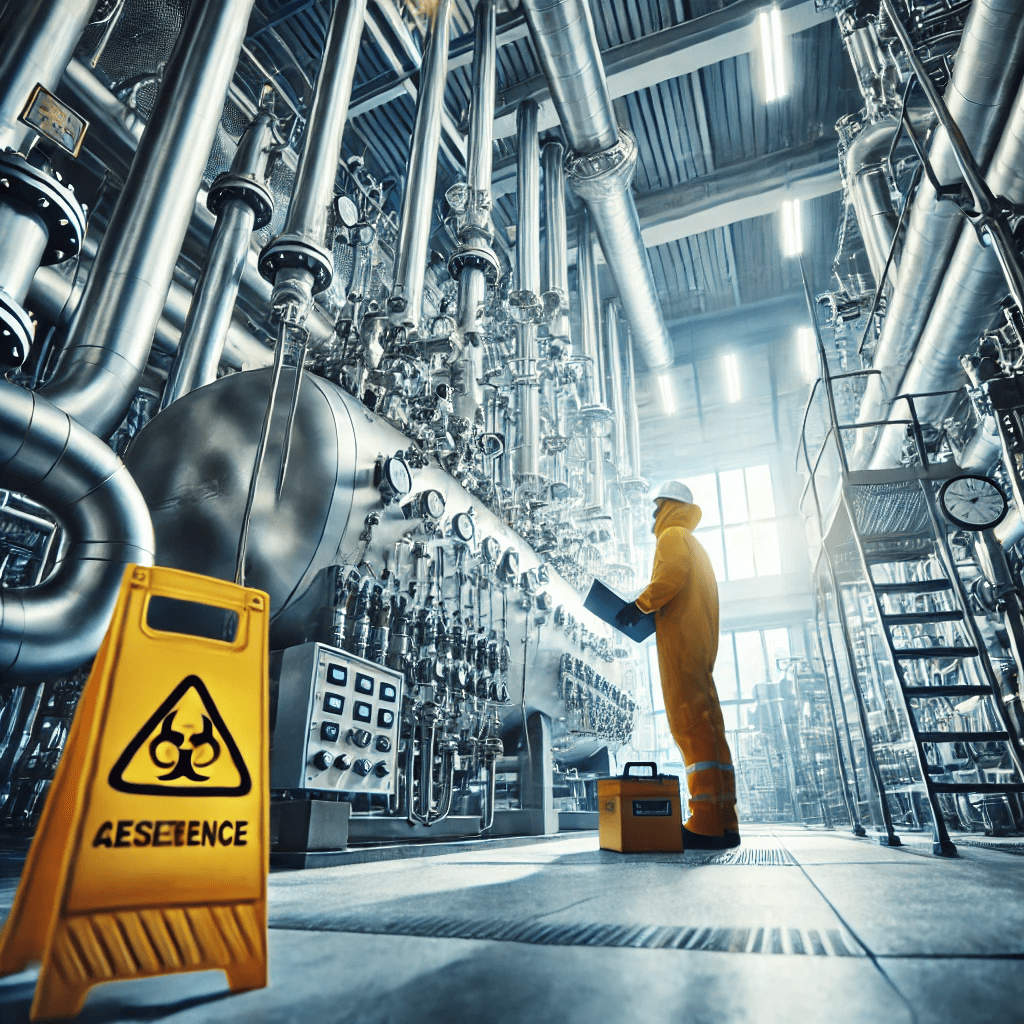
ComStar is your trusted producer and supplier of the highest quality glycols with many different packages that protects your system.
Industrial systems form the backbone of numerous industries, with glycol-driven technologies playing a crucial role in temperature control, freeze prevention, and energy efficiency. Glycol fluids are essential in HVAC units, refrigeration systems, and cooling towers to ensure smooth operations.
However, businesses relying on glycol systems must prioritize compliance with safety standards and regulations. Understanding glycol properties, implementing best practices, and meeting regulatory requirements are key to maintaining operational reliability.
This comprehensive guide explores compliance and safety in glycol systems, providing actionable insights to help businesses optimize performance and minimize risks.
Understanding Glycol Systems and Their Applications
Glycol is a versatile chemical compound widely used for its heat transfer properties and freeze protection capabilities. It serves as a coolant or antifreeze agent in critical temperature-regulated systems.
Common Applications of Glycol Fluids:
- HVAC Systems: Maintains consistent temperatures for optimal energy efficiency and comfort.
- Refrigeration Units: Prevents freezing and ensures stable temperatures in food processing and pharmaceuticals.
- Cooling Towers: Enhances heat absorption and transfer for industrial-scale temperature control.
By preventing freezing, reducing corrosion, and improving energy efficiency, glycol fluids are indispensable in various industries.
Propylene Glycol vs. Ethylene Glycol: Safety and Compliance Considerations
Propylene Glycol Chiller Fluids
Preferred for safety and non-toxicity, especially in food-grade applications such as beverage manufacturing and food storage.
Advantages:
- Non-Toxic: Poses lower health risks, with minimal danger from accidental exposure.
- Food-Grade Compliance: Meets regulatory standards for use in sensitive applications.
- Eco-Friendly: Less harmful to the environment.
Ethylene Glycol Safety Concerns
Though more effective in industrial applications, ethylene glycol presents greater safety concerns.
Key Risks:
- Toxicity: Ingestion or prolonged exposure can pose serious health hazards.
- Handling Precautions: Strict safety protocols are required to prevent leaks, spills, and contamination.
- Regulatory Restrictions: Stricter compliance due to potential environmental and health risks.
While both fluids serve similar functions, industries must choose based on safety and compliance priorities.
Ensuring Industry Compliance in Glycol Systems
Adhering to industry standards ensures legal compliance, system efficiency, and safety.
Key Regulatory Standards:
- ASTM Standards: Governs glycol fluid properties like viscosity, freezing points, and pH levels.
- ISO Certifications: Ensures international safety and quality compliance.
- Local Environmental Laws: Regulates handling, storage, and disposal to minimize pollution.
Compliance Best Practices:
- System Audits: Conduct regular assessments to identify non-compliance.
- Certifications: Obtain accreditation as proof of system safety and quality.
- Training Programs: Educate staff on handling glycol safely and following regulations.
- Documentation: Maintain records of glycol fluid usage, testing, and maintenance for inspection readiness.
Safety Measures in Glycol Systems
Best Practices for Safety:
- Leak Prevention: Regularly inspect pipes, valves, and system components for leaks.
- Pressure Monitoring: Maintain safe pressure levels to prevent damage or hazards.
- Ventilation Management: Ensure adequate airflow to prevent exposure to glycol vapors.
Testing Glycol Fluids for Safety & Efficiency:
- Freeze Point Tests: Ensure the glycol-to-water ratio prevents freezing.
- pH Level Monitoring: Prevents corrosion and maintains system functionality.
Maintaining Glycol Fluid Quality:
- Correct Glycol-to-Water Ratio: Optimizes performance and prevents freezing or overheating.
- Additive/Inhibitor Use: Prevents fluid breakdown, corrosion, and bacterial growth.
- Routine Inspections: Detects contamination, leaks, or other issues affecting fluid quality.
Operational Safety Essentials
Potential Risks:
- Leaks & Spills: Environmental hazards and operational disruptions.
- Improper Disposal: Violations leading to fines and environmental harm.
- System Over-Pressure: Equipment failure and workplace accidents.
Preventive Actions:
- Spill Containment Systems: Implement measures to manage leaks effectively.
- Employee Training: Educate staff on safe handling, storage, and disposal practices.
Future of Glycol: Innovations in Safety & Sustainability
The glycol industry is evolving with new technologies aimed at enhancing safety and sustainability.
Key Innovations:
- Eco-Friendly Glycol Alternatives: Non-toxic and biodegradable formulations.
- Smart Monitoring Systems: IoT-enabled sensors for real-time system monitoring and predictive maintenance.
- Energy Efficiency Improvements: Enhanced glycol formulations to improve heat transfer and reduce energy consumption.
These advancements will shape the future of glycol systems, driving sustainability and efficiency.
Conclusion
Compliance and safety in glycol-driven systems are essential for businesses committed to operational excellence and sustainability. By adhering to regulations, maintaining fluid quality, and implementing best practices, organizations can ensure optimal system performance while minimizing risks.
As the industry embraces innovations in safety and sustainability, businesses investing in compliance and new technologies will create a safer work environment and achieve long-term success.


