




Why Glycol is Essential for Freeze Protection and System Efficiency
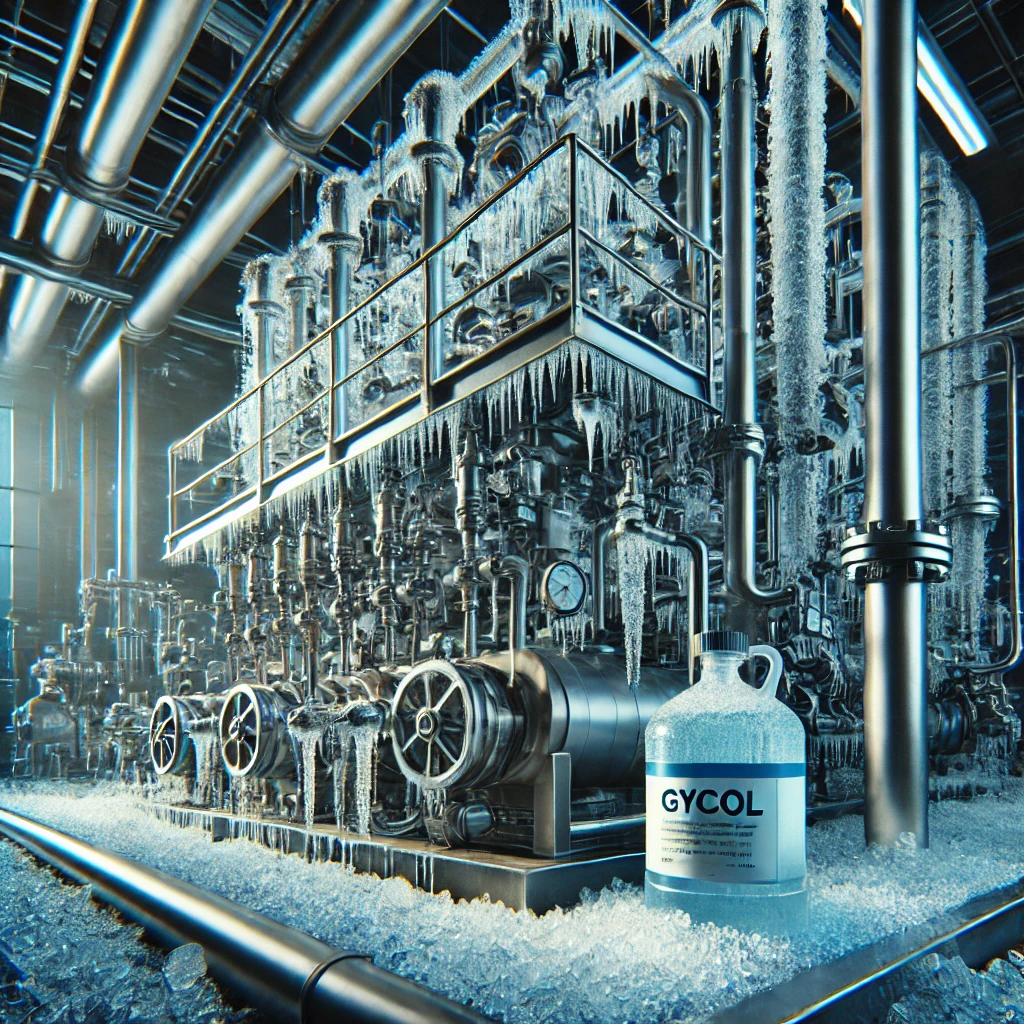
ComStar is your trusted producer and supplier of the highest quality glycols with many different packages that protects your system.
In industrial operations, preventing freeze-related system failures is a constant challenge, especially during harsh winter months. Glycol freeze protection is crucial not only for preventing ice-related damage but also for maintaining system efficiency. This article explores glycol as an antifreeze agent, its applications in various industries, and recommendations for selecting and managing glycol solutions effectively.
Understanding Glycol and Its Protective Role
What Is Glycol?
Glycol fluids are synthetic liquids designed for temperature control in industrial applications. They prevent freezing in systems that utilize water-based solutions. The two primary types of glycol include:
- Propylene Glycol – Preferred for its non-toxic and food-safe properties, making it suitable for environments where human safety is a concern.
- Ethylene Glycol – Offers superior thermal performance but is toxic, limiting its use to applications where human exposure is minimal.
How Glycol Works as an Antifreeze
Glycol lowers the freezing point of water, forming a solution that remains liquid even in subzero temperatures. This antifreeze property prevents ice formation within pipes, valves, and other components, ensuring continuous system operation during extreme cold.
Glycol in Action: Freeze Protection in Industrial Systems
The Science Behind Freeze Prevention
Glycol's antifreeze capabilities are rooted in thermodynamics. By lowering the freezing point of water, glycol prevents the formation of ice crystals, which can clog piping and create mechanical stress. This helps maintain the fluidity of cooling media and prevents system breakdowns in freezing conditions.
Applications in HVAC, Refrigeration, and Chillers
Glycol-based solutions are widely used in various industries:
- HVAC Systems – Maintain stable internal temperatures in commercial and industrial buildings despite cold weather.
- Refrigeration Units – Provide critical freeze protection for perishable goods such as food, beverages, and pharmaceuticals.
- Chiller Systems – Enable precise temperature control, ensuring uninterrupted operation even in extreme cold.
Selecting the Right Glycol for Your System
Key Considerations
Choosing the appropriate glycol depends on several factors:
- Type of Application – Propylene glycol is recommended for food-related industries, while ethylene glycol is suited for environments prioritizing thermal performance with minimal human exposure.
- Operating Environment – The severity of temperature fluctuations dictates the required glycol concentration.
- System Compatibility – Different glycol formulations interact with metals and plastics in various ways. Ensuring compatibility prevents corrosion and other issues.
Optimizing the Glycol-to-Water Ratio
The effectiveness of glycol depends on the correct dilution with water:
- Mild Conditions – A lower glycol concentration is sufficient to prevent freezing.
- Extreme Cold – A higher glycol-to-water ratio is necessary to achieve lower freezing points.
Routine monitoring and adjustments help maintain the optimal balance for system efficiency.
Maintaining Standardized Glycol in Operation
Routine Testing and Monitoring
Regular testing ensures the glycol solution remains effective:
- Concentration – Monitor the glycol-to-water ratio to prevent over- or under-dilution.
- pH Levels – Check for signs of corrosion or chemical degradation.
- Corrosion Inhibitors – Verify that inhibitors remain effective to protect system components.
Flushing and Replacing Glycol
Over time, glycol degrades, and contaminants accumulate. Establishing a regular flushing and replacement schedule helps:
- Remove Contaminants – Prevent impurities from affecting system performance.
- Restore Efficiency – Maintain antifreeze properties and extend equipment lifespan.
Glycol Use Challenges and Considerations
Dosing and Degradation Issues
Even high-quality glycol solutions require careful management:
- Dosing – Over- or under-dosing can compromise freeze protection and heat transfer efficiency.
- Degradation – Glycol breaks down under extreme conditions, necessitating periodic replacement.
Environmental and Disposal Concerns
Managing glycol responsibly minimizes environmental impact:
- Compliance – Adhere to local environmental regulations for glycol disposal.
- Eco-Friendly Practices – Implement recycling or environmentally safe disposal methods to reduce ecological harm.
Conclusion
Glycol is more than just an antifreeze—it plays a vital role in protecting industrial systems from extreme temperatures. By lowering the freezing point of water, glycol ensures the reliable operation of HVAC systems, refrigeration units, and chillers.
Selecting the right glycol type and maintaining the proper glycol-to-water ratio are essential for maximizing freeze protection and efficiency. Regular monitoring, testing, and maintenance contribute to sustained performance and extended equipment life.
Proactive glycol management helps prevent costly freeze damage while ensuring system reliability and efficiency. As industries continue to face challenges from extreme weather, glycol remains an indispensable ally in maintaining uninterrupted operations.


